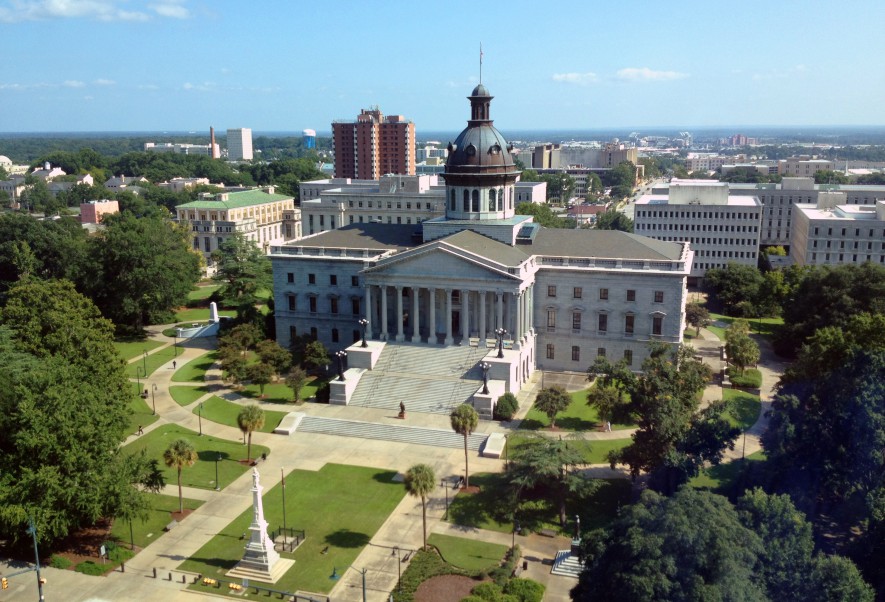
All of the major issues that South Carolina lawmakers promised to work on this year are still alive at the crossover deadline, but that doesn’t mean they’ll become law. A bill has to have passed in the House or Senate and “crossed over” to the other body by May 1 to have a realistic chance of becoming law this year. A bill can come up after that but would require a two-thirds vote to even come up for debate.
The biggest issue of the year, according to most lawmakers and voters, is fixing South Carolina’s roads and bridges. It did make the crossover deadline because the House has passed a plan that’s now in the Senate. But Thursday, the Senate voted not to set that bill for special order, which would have given it priority status on the calendar.
Sen. Harvey Peeler, R-Gaffney, Senate Majority Leader, asked senators not to give the bill priority because he doesn’t think the Senate version would pass and survive a veto by Gov. Nikki Haley. He asked them to instead give leadership more time to work out a version that has a better chance at becoming law.
The Senate version would raise about $800 million a year by raising the gas tax by 12 cents a gallon and doubling the driver’s license fee. Sen. Larry Grooms, R-Berkeley, chairman of the Senate Transportation Committee, says, “The bill that came out of the Senate Finance Committee was a straight $800 million tax increase. It had no element of governance. There was no direction over how that money would be spent, no controls over what roads would be widened and built. It needs a governance component. There was no element of income tax relief, no tax relief whatsoever, which needs to be part of a plan to ensure that we’re competitive with our neighboring states of Georgia and North Carolina.”
Gov. Nikki Haley proposed raising the gas tax by 10 cents a gallon over three years while also lowering the state’s top income tax rate from 7 percent to 5 percent over 10 years. She promises to veto any roads plan that does not include tax relief. Critics of her plan say her proposed tax relief would take too much money from other needed programs, like schools, health care, and law enforcement, while not providing enough additional money for roads and bridges.
Sen. Joel Lourie, D-Columbia, said he thinks not putting the roads bill on special order means it won’t pass this year.
 South Carolina Association of Taxpayers